
If you run a small tourism business, competing online can sometimes feel frustrating. Large travel brands and OTAs often dominate Google search results, paid ads, review platforms, and online visibility, making it harder for smaller businesses to attract direct bookings and stand out online.
But here’s the good news: competing online does not always depend on having the biggest budget.
In many cases, smaller tourism businesses can compete more effectively by focusing on what larger brands often struggle to replicate: local expertise, authentic experiences, personalized service, niche positioning, and stronger connections with travelers.
So how do small businesses achieve this? With smarter digital marketing strategies.
In this blog, we’ll explore practical ways you can improve online visibility, compete more strategically, attract qualified travelers, and generate more direct bookings without needing a massive marketing budget.
Contact Our TeamWhy Bigger Travel Brands Dominate Online Searches
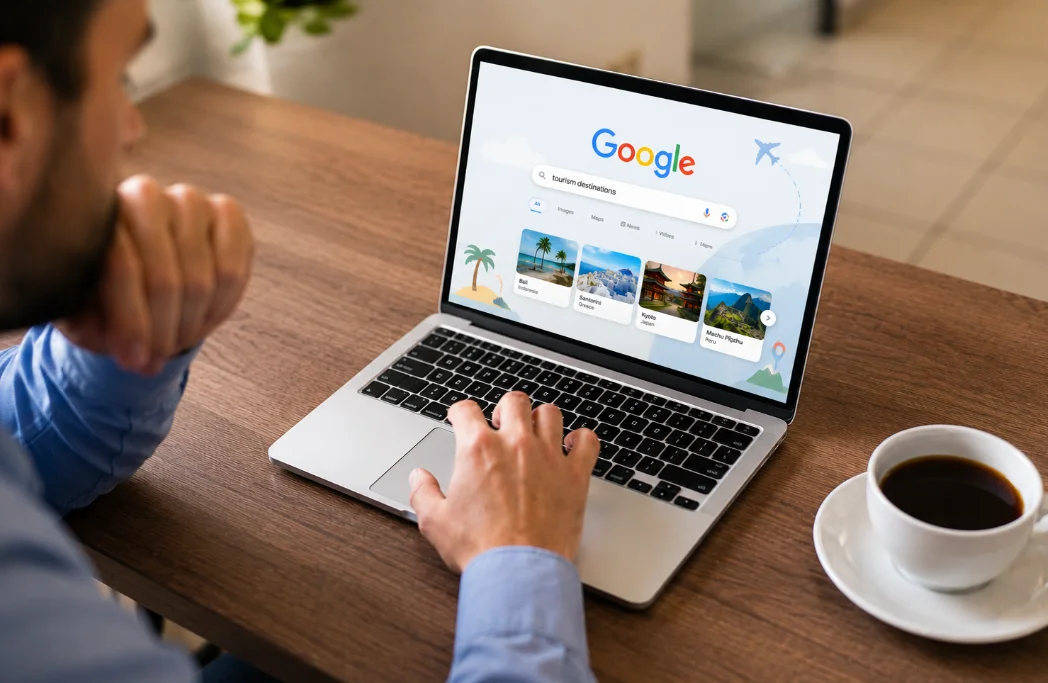
Big companies like Expedia, Booking.com, Tripadvisor, Viator, and GetYourGuide often dominate search results because they invest heavily in SEO and PPC. They have large marketing budgets, dedicated content teams, and thousands of optimized pages targeting travel-related searches across multiple destinations and experiences.
They also publish content at scale, including destination guides, travel tips, reviews, and activity pages that help them appear consistently across Google search results.
At the same time, travelers already recognize these platforms, which naturally increases clicks, reviews, customer loyalty, and online authority over time.
What Small Tourism Businesses Do Better Than Big Travel Brands
Even though larger travel platforms may have bigger marketing budgets, smaller tourism businesses often have something travelers value even more: authenticity, local knowledge, and personal connection. In many cases, this becomes a major competitive advantage over larger companies.
Here are the main competitive advantages you have over larger businesses:
Local expertise that creates more valuable experiences
As a smaller business, you often know your destination in a much deeper and more personal way. Your firsthand destination knowledge, local recommendations, and understanding of the traveler experience can help you create content and experiences that feel more trustworthy and relevant.
Instead of generic travel information, you can share insights that come from actually living and working in the destination.
Personalized service that builds stronger traveler relationships
One of the biggest ways small businesses compete is through personal service and exceptional customer service. You can often respond faster to traveler questions, adapt experiences more easily, and create more customized experiences.
That level of attention helps you engage customers more naturally and build genuine relationships that larger, more standardized travel brands sometimes struggle to create.
Travelers are prioritizing authentic experiences
Today, many travelers are actively looking for experiences that feel authentic and less commercial. For many people, these experiences become far more memorable than highly standardized tourism products.
Some of these experiences are:
- Real recommendations from local experts
- More personal interactions
- Authentic communication
- Unique experiences connected to the destination
- Businesses that feel human and approachable
Explore how traveler behavior has changed and why more travel brands are investing in digital strategies in What Is the Difference Between Tourism Digital Marketing and Traditional Travel Marketing?
Authentic storytelling that helps you stand out online
You can share your brand story, talk about your destinations, your team, and the experiences you create in a way that feels personal and real. Over time, this helps travelers connect emotionally with your brand instead of seeing it as just another listing online.
That human connection is often one of the strongest competitive edges you can have to win over the big guys.
8 Practical Ways Your Small Tourism Business Can Use to Compete Online
As you see, not everything is lost. You can compete with big brands by focusing on smarter, more personal, and targeted strategies. To help you out in the process, we have put together the following list with ideas to compete more effectively online, attract qualified travelers, and improve your digital visibility over time.
1. Focus on Niche Travel Searches Instead of Broad Keywords
One of the biggest mistakes you can make is trying to rank for extremely broad tourism keywords that large travel platforms already dominate.
For example:
- “Costa Rica tours”
- “best hotels in Costa Rica”
- “La Fortuna activities”
These terms, while they are high in volume, they’re usually very competitive because companies like OTAs and major travel websites invest heavily in ranking for them. But if you focus on targeting niche and long-tail searches with more specific traveler intent, you can compete more strategically.
Consider terms like:
- Family wildlife tours in Costa Rica
- Beginner-friendly ATV tours near La Fortuna
- Guided birdwatching tours in Monteverde
These searches may have lower search volume, but they often attract more qualified travelers who already know what they are looking for and are closer to booking. In many cases, more specific searches also convert better because the traveler’s intent is clearer.
2. Build Destination Authority Around Your Location
Did you know that Google tends to reward businesses that consistently publish useful and relevant content about their destination? That’s why building destination authority can help your business improve visibility over time, especially for location-based searches.
Instead of only promoting your services, you can also create content around:
- Destination guides
- Seasonal travel tips
- Wildlife and nature blogs
- Transportation information
- Local activity recommendations
- Travel itineraries
- Things to do nearby
Over time, this helps Google better understand your expertise and connection to the destination, which can strengthen your topical authority and boost your local visibility, improving your chances of appearing in relevant search results. Also, your target audience will see your business as a more trustworthy local source instead of just another booking option online.
Discover how seasonality influences visibility, traveler behavior, and campaign performance in How Does Seasonality Affect Tourism Digital Marketing Performance?
3. Optimize Your Google Business Profile for Local Searches

Hospitality businesses receive an average of 92.6K monthly Google Business Profile views, according to Search Endurance. That alone shows how important local search visibility has become for tourism businesses today.
When travelers search for hotels, tours, restaurants, or activities near a destination, Google often prioritizes businesses with stronger local SEO signals and more complete profiles.
Some of the most important optimization areas include:
- Updated business information
- Relevant local keywords
- High-quality photos
- Positive traveler reviews
- FAQs
- Accurate location details
- Updated business hours
Together, these elements help improve your Google Maps visibility while also building stronger trust with travelers researching experiences online. A well-optimized Google Business Profile becomes one of the most effective and budget-friendly ways that small businesses can compete with big brands.
4. Create Tour Pages That Match Traveler Intent
Travel intent is another way to outperform big businesses. When your tour pages help travelers quickly understand what makes your experience worth booking and it easier for them to find the information they need about your experience, the more likely they are to move closer to booking.
Also, consider that many travelers compare multiple options before making a decision, and since over 60% of travel traffic now comes from mobile devices (Statista), your website experience needs to feel clear, fast, and easy to navigate.
Strong tour pages usually include:
- Clear tour descriptions
- Pricing transparency
- High-quality visuals
- FAQs
- Traveler reviews and trust signals
- Mobile-friendly design
- Fast loading speeds
- Clear calls to action
5. Use Short-Form Video to Showcase Real Experiences

Short-form video has become one of the most powerful ways to attract travelers online, especially on platforms like Instagram and TikTok. And you have an advantage! Travelers often connect more with authentic content than perfectly produced ads.
While larger brands tend to create highly polished corporate content, you can create more authentic videos that feel personal, local, and real.
Some simple content ideas include:
- Behind-the-scenes moments
- Wildlife sightings
- Tour previews
- Local recommendations
- Traveler reactions
- Day-in-the-life content
- Real moments during experiences
6. Create Trust Through Reviews and User-Generated Content
Social proof can help potential customers picture themselves having a great experience as fellow travelers, which often builds trust faster than traditional advertising alone.
Think about it this way: a traveler may see hundreds of reviews on a large platform like Expedia, but many of those reviews can feel generic. But, when someone sees a real traveler tagging your business on social media, sharing photos from your tour, talking about a guide by name, or posting a genuine reaction during the experience, it feels much more personal and trustworthy.
That human connection matters. As a small business, this becomes one of your biggest advantages because your experiences often feel more personal, memorable, and authentic than highly standardized travel products.
Some of the strongest trust signals you can showcase include:
- Traveler reviews
- Tagged social media posts
- Traveler photos
- Testimonials
- User-generated videos
- Real traveler reactions
7. Build Partnerships With Other Local Tourism Businesses
You don’t have to compete online alone. Building partnerships with other local tourism businesses can help you increase visibility while also strengthening your destination authority online. By doing so, you can create opportunities for referral partnerships, cross-promotions, shared content, and local recommendations.
For example, you can consider partnering with:
- Hotels
- Restaurants
- Transportation providers
- Local attractions
- Tour operators
- Tourism agencies
8. Invest in the Marketing Channels That Support Direct Bookings
As a smaller tourism business, your marketing budget needs to work strategically. That’s why it’s important to prioritize channels that help you generate measurable results and direct bookings over time.
Some of the most powerful marketing tools include:
- SEO to improve long-term visibility in search results
- PPC campaigns to reach travelers actively searching for experiences
- Email marketing to reconnect with past travelers and leads
- Retargeting campaigns to bring back visitors who did not book
- Organic social media to build visibility, trust, and engagement
The goal is not to be everywhere at once. It’s to focus on the channels that help travelers discover your business, trust your experience, and book directly with you.
Want to know which digital channels can better support your visibility and bookings? Read Which Digital Marketing Channels Work Best for Tourism Brands?
Why Direct Bookings Matter So Much for Small Tourism Businesses
As a small business owner, direct bookings are not just about increasing reservations. They’re about creating more long-term stability and keeping more control over how travelers experience your services.
Since many travelers go online to plan their trips and experiences, improving your direct visibility online can make a major difference. But if your bookings come mostly through OTAs, commission fees can quickly reduce profit margins, which becomes especially challenging when trying to grow sustainably.
Here are a few reasons why direct bookings matter for a small tourism business:
- Build stronger customer relationships
- Create more personalized traveler experiences
- Communicate directly with guests before and after their trip
- Encourage repeat bookings more easily
- Keep more control over pricing, communication, and branding
Learn how digital marketing strategies can help your tourism business generate more direct reservations in How Does Tourism Digital Marketing Help Increase Direct Bookings?
Common Mistakes Small Tourism Businesses Make Online
your tourism business is struggling to improve visibility or generate more direct bookings, the issue is not always the experience you offer. In many cases, the problem comes from a digital strategy that is too broad, inconsistent, or outdated.
Some of the most common mistakes include:
- Targeting tourism keywords that are too competitive instead of focusing on niche traveler searches.
- Publishing generic travel content that does not highlight your local expertise or unique experiences.
- Ignoring local SEO and Google Maps visibility.
- Treating social media as your entire marketing strategy instead of part of a larger digital presence.
- Sending paid traffic to weak landing pages that do not build trust or support bookings.
- Using a slow, outdated, or non-mobile-friendly website.
- Not collecting enough traveler reviews, photos, or user-generated content.
- Trying to compete like larger corporations instead of focusing on your niche expertise and authentic experiences.
Still unsure which strategy makes the most sense for your travel business? Explore our guide on Tourism Digital Marketing vs Traditional Travel Marketing.
You Don’t Need a Bigger Budget to Compete Online
When you constantly see large travel brands dominating Google, ads, and booking platforms, it’s easy to feel like your business needs a massive budget to compete online. But the reality is that many travelers are not only looking for the biggest brand they recognize anymore.
They’re looking for:
- Real local recommendations
- Authentic experiences
- More personal interactions
- Businesses that feel trustworthy and human
- Local experts who truly know the destination
This is where your business can stand out.
Your local expertise, personalized service, and authentic communication often create stronger traveler trust than highly polished corporate branding. In many cases, you can also adapt faster to traveler behavior, seasonal trends, and customer feedback than larger travel companies.
That’s why many smaller tourism businesses grow by focusing their marketing efforts on the right audiences instead of trying to compete everywhere at once.
With the right key strategies, strategic SEO, helpful content, and a strong local presence, you can improve your visibility online over time, even with limited budgets.
And as travelers continue prioritizing authentic experiences and genuine connections, that becomes a major advantage from larger competitors.
Ready to Grow Your Tourism Business More Strategically Online?
Competing online as a smaller tourism business can feel challenging, especially in such a competitive market. But with the right strategy, you can improve your visibility, attract more qualified travelers, and create stronger opportunities for direct bookings over time.
At Nativo, we help tourism businesses grow through digital marketing strategies focused on SEO, PPC, content marketing, local visibility, and traveler behavior.
Whether you want to strengthen your online presence, reduce OTA dependence, or improve your direct booking strategy, we’re here to help you compete more strategically online.
Contact Nativo to learn how we can help your tourism business grow online.
Contact Our TeamFAQs
Can small tourism businesses really compete with large travel brands online?
Yes. Small tourism businesses can compete online by focusing on niche experiences, local expertise, authentic content, and targeted digital marketing strategies.
What marketing strategies work best for small tourism businesses?
SEO, local SEO, content marketing, Google Business Profile optimization, social media, and PPC campaigns are some of the most effective strategies for small tourism businesses.
How can small tourism businesses get more direct bookings?
Small tourism businesses can increase direct bookings by improving online visibility, optimizing their website, building trust through reviews, and investing in SEO and digital marketing.
Why is local SEO important for tourism businesses?
Local SEO is important because it helps tourism businesses appear in Google Search and Google Maps when travelers search for nearby hotels, tours, restaurants, and activities.
Can tourism businesses compete without relying heavily on OTAs?
Yes. Tourism businesses compete with big companies when they reduce OTA dependence by strengthening their direct visibility through SEO, content marketing, Google Business Profile optimization, and direct booking strategies.