
If you run a travel business, you’ve probably noticed that the way travelers discover, compare, and book experiences looks very different than it did a few years ago. That’s why traditional marketing has had to adapt, making room for digital strategies that better connect with how travelers plan trips today.
The biggest difference between digital and traditional marketing is that digital marketing helps you connect with travelers online through platforms like Google, social media, websites, email campaigns, and paid ads, while traditional marketing focuses on channels like brochures, magazines, TV, radio, or travel fairs.
Why does this matter today? Simple. Most travelers now begin their planning process online, researching destinations, comparing options, reading reviews, and exploring websites long before they decide to book.
In this guide, we’ll help you understand where each approach works best today, how traveler behavior has changed, and why more travel brands are investing in digital marketing to improve visibility, attract qualified travelers, and increase direct bookings.
Contact Our TeamWhy So Many Travel Businesses Are Rethinking Their Marketing Strategy
We know. Marketing a travel business today can feel much more complicated than it used to. You’re no longer trying to stand out in just one or two places. Your brand is now competing for attention across Google, social media, review platforms, maps, videos, and OTAs all at once.
Some of the biggest challenges travel businesses face today include:
- OTAs dominating search results and making direct bookings harder to generate
- Travelers researching trips across multiple platforms before making a decision
- Traditional campaigns feeling expensive and difficult to track
- Smaller travel brands struggling to stay visible online
- Traveler expectations changing quickly, especially around websites, reviews, and mobile experiences
- More competition for attention across social media and search engines
Because of this, many travel brands are rethinking how they invest in marketing and looking for strategies that help them stay visible online, connect with the right travelers, and better measure results.
How Travel Brands Traditionally Marketed Their Businesses
If you’ve been in the tourism industry for a while, probably your efforts to promote your business included traditional marketing methods like placing your business in front of travelers while they researched destinations through magazines, travel agencies, printed guides, or tourism events.
Many of these strategies might have helped you to build credibility and visibility for years, especially when it comes to brand awareness and industry relationships.
Common Traditional Travel Marketing Channels
While many of these traditional marketing channels still exist today, consumer behavior has changed significantly, especially now that most research happens online.
Some of the most common traditional travel marketing channels included:
- Brochures distributed in hotels, visitor centers, airports, or travel agencies
- Travel magazines featuring destination ads and tourism campaigns
- TV and radio advertising to reach larger audiences
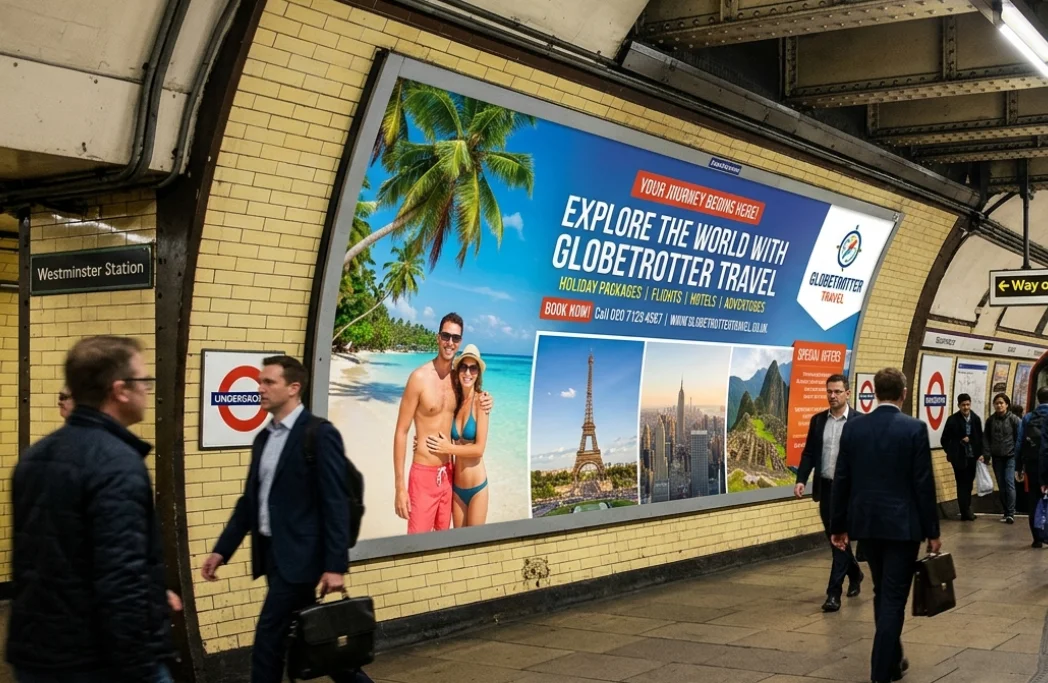
- Billboards placed in high-traffic areas
- Tourism expos and trade shows, where you could connect directly with travelers and business partners
- Travel agent partnerships that helped promote hotels, tours, and vacation packages
- Printed travel guides that travelers used to research destinations before their trips
What Traditional Travel Marketing Still Does Well
Even though digital marketing has become a major part of the tourism industry, traditional marketing techniques still offer value in certain situations.
Some of the biggest advantages of traditional travel marketing include:
- Broad brand awareness: Billboards, magazines, radio, and TV advertising can still help your destination, hotel, or tour company stay visible to larger audiences, especially in local or regional markets.
- Face-to-face trust: Tourism expos, trade shows, and travel partnerships give you opportunities to meet travelers, agencies, and industry partners directly, helping you build stronger relationships over time.
- Memorable physical materials: Brochures, printed travel guides, and maps can still leave a lasting impression and give travelers something easy to revisit later.
- Local exposure: Traditional advertising can help your business stay visible within your destination and nearby communities.
- Networking opportunities: Industry events and tourism partnerships can help you create valuable business connections.
- Referrals and partnerships: Travel agents, local businesses, and tourism partners can continue driving recommendations and bookings.
- Destination promotion: Larger tourism campaigns can still help bring visibility to destinations and attract broader audiences.
Why Traditional Marketing Alone No Longer Matches How Travelers Book Trips Today
The reason why traditional marketing techniques no longer match how travelers book trips is that people no longer rely on just one source to plan a trip. Instead, they compare experiences online. They care about instant access to information, fast-loading websites, online booking options, updated photos, pricing, directions, and reviews directly from their phones.
At the same time, reviews and social proof play a much bigger role in decision-making. Before booking, many travelers want reassurance from other people’s experiences, whether that comes from Google reviews, TikTok videos, Instagram content, YouTube, or travel blogs.
Online booking has also become the norm. Most travelers expect a fast and simple booking process without needing to call or wait for information. This shift has changed how travel businesses need to approach tourism marketing today.
The difference between how people planned trips before and how they plan them today looks something like this:
| Before | Today |
| Travelers often visited travel agencies to explore destinations and packages | Travelers research destinations online through Google, social media, videos, blogs, and Maps |
| Printed brochures and travel guides helped travelers make decisions | Reviews, videos, photos, and social proof now heavily influence booking decisions |
| Travelers frequently booked trips by phone or through travel agents | Travelers expect fast and simple online booking experiences |
| Travel planning happened mostly offline and in fewer places | Travelers compare options across multiple digital platforms before booking |
| Businesses relied heavily on physical advertising and referrals | Brands compete for visibility across search engines, OTAs, social media, and review platforms |
| Travelers waited longer to access information | Travelers expect instant access to pricing, availability, photos, and contact information |
Improve your travel brand’s visibility: Talk With a Tourism Marketing Specialist!
Why More Tourism Businesses Invest in Digital Marketing

As more travelers began planning and booking trips online, online marketing became one of the most effective ways for travel brands to stay visible throughout the decision-making process.
Instead of waiting for travelers to find your business through traditional advertising alone, digital marketing helps you appear where people are already searching for destinations, hotels, tours, restaurants, and travel experiences.
It also gives you more opportunities to connect with travelers across different stages of their customer journey, whether they are just starting to research, comparing options, or ready to book.
The Main Channels Used in Tourism Digital Marketing
Today, many travel businesses combine different digital channels to improve visibility and attract more qualified travelers online.
Some of the most common include:
- SEO: Which stands for search engine optimization. It helps your website appear in search results when travelers look for destinations, tours, hotels, or travel tips.
- Google Ads / PPC: Paid ads reach travelers actively searching for travel-related experiences and services.
- Social media marketing: Connects with travelers through social media platforms like Instagram, Facebook, TikTok, or Pinterest.
- Content marketing: Blogs, destination guides, and helpful resources that support trip planning.
- Email marketing: Helps you stay connected with past guests, leads, and returning travelers.
- Google Business Profile: Improves local visibility through Maps, reviews, and local search results.
- Influencer collaborations: With influencer collaborations, you can reach new audiences through creators and travel content.
- Video marketing: Showcasing destinations and experiences through short-form videos, reels, and longer travel content.
Travel Brands Can Reach the Right Travelers More Precisely
One of the biggest advantages of incorporating digital tools in your marketing efforts is that it allows you to reach travelers more strategically instead of showing the same message to everyone.
For example, you can:
- Segment audiences based on interests, travel behavior, or demographics
- Adjust campaigns around seasonality or specific travel periods
- Target travelers based on their location or destination interests
- Personalize messaging depending on the type of traveler you want to attract
- Retarget people who visited your website but did not complete a booking
This level of targeting helps many travel brands invest their budget more efficiently while reaching travelers who are more likely to be interested in their experiences.
Tourism Digital Marketing vs Traditional Travel Marketing: The Biggest Differences
At this point, the biggest difference between traditional travel marketing and tourism digital marketing comes down to how each strategy connects with travelers today.
While both approaches can help promote your business, they work very differently when it comes to visibility, targeting, flexibility, performance tracking, and how travelers actually interact with your brand during the booking process.
Here’s a simple comparison of how both strategies differ:
| Traditional Travel Marketing | Tourism Digital Marketing |
| Relies mostly on offline channels | Uses online platforms and digital channels |
| Broad audience targeting | More precise audience targeting |
| Harder to track ROI and bookings | Real-time performance tracking and measurable results |
| Often requires higher upfront costs | More flexible and cost-effective budget control |
| Campaign updates take longer | Campaigns can be adjusted and optimized quickly |
| Limited traveler insights | Access to detailed traveler behavior and data |
| Focused mainly on awareness | Focused on visibility, engagement, and conversions |
| Less flexibility for seasonal changes | Easier seasonal targeting and campaign adjustments |
| Limited retargeting opportunities | Ability to retarget travelers who did not book |
| Visibility depends heavily on physical placement | Visibility across search engines, social media, Maps, videos, and online platforms |
One of the biggest advantages of digital marketing is that you can better understand how travelers interact with your campaigns. Instead of guessing what worked, you can track clicks, bookings, traffic sources, engagement, and conversions in real time.
Also, you have more flexibility to optimize digital marketing campaigns as traveler behavior changes, adjust budgets seasonally, and reach travelers more strategically across multiple platforms.
That doesn’t mean traditional marketing is obsolete. In many cases, it still supports brand awareness, destination exposure, partnerships, and local visibility.
If you want to better understand how digital strategies can support your travel business, explore our guide on Tourism Digital Marketing vs Traditional Travel Marketing: What Actually Drives Bookings Today?
How Travelers Discover and Book Trips Today
Today, travelers plan trips very differently than they did a few years ago. Instead of relying mostly on travel agencies or printed guides, people now research destinations independently across multiple online platforms before making a booking decision.
Travelers Research Trips Independently

Most travelers now take time to compare destinations, hotels, tours, and experiences on their own before booking. Instead of using a single source, they often explore multiple platforms throughout the process.
Common traveler behaviors today include:
- Reading reviews before trusting a business
- Comparing different brands and experiences online
- Searching directly on Google and Google Maps
- Visiting websites before making a decision
- Looking for real traveler experiences on social media
Visual Content Influences Booking Decisions
Visual content now plays a major role in how travelers discover destinations and experiences. In many cases, travelers become interested in a destination simply because they saw it online first.
Before booking, many travelers search:
- Photos
- Reels
- Virtual tours
- Travel videos
- User-generated content
- Short-form videos on platforms like TikTok or Instagram
Travelers Interact With Brands Across Multiple Platforms
Today, booking decisions rarely happen in one step. Travelers often move across different platforms before deciding where to stay or what to book.
A typical traveler’s journey may look like this:
Google Search → Reviews → Social Media → Travel Videos → Website Visit → Booking Decision

Because of this, travelers now interact directly with brands online long before they complete a booking.
Why Tourism Digital Marketing Helps You Compete More Effectively Online
Tourism digital marketing helps you compete more effectively online because it allows your business to appear where travelers are already researching, comparing, and booking trips.
Some of the biggest advantages include:
- More direct bookings: You create more opportunities for travelers to book directly through your website instead of relying only on OTAs.
- Less OTA dependence: Stronger online visibility can help reduce how much you depend on third-party platforms for bookings.
- Measurable marketing performance: You can track clicks, traffic, bookings, conversions, and campaign performance in real time.
- Stronger search visibility: Your business can appear more consistently across Google Search, Maps, blogs, videos, and social media platforms.
- Long-term traffic growth through SEO: Helpful content and SEO strategies can continue attracting travelers over time without relying only on paid ads.
- Global reach: You can connect with travelers across different countries and markets more easily.
- Better audience targeting: Digital marketing allows you to target travelers based on interests, location, behavior, seasonality, and travel intent.
- More flexibility: Campaigns can be adjusted quickly depending on traveler demand, trends, or seasonal changes.
- More opportunities for smaller travel brands: Instead of trying to outspend larger companies everywhere, you can focus on reaching the right travelers and improving visibility.
If you want to learn more, explore our guide on How Can Small Tourism Businesses Compete Online With Bigger Brands? 8 Smart Strategies That Actually Work.
Does Traditional Travel Marketing Still Matter?
Yes. Traditional travel marketing can still play an important role depending on your audience, goals, and type of travel business. The difference today is that many tourism companies no longer rely on traditional marketing alone. Yet, it still helps support brand awareness and visibility in certain situations.
For example:
- Some demographics still respond well to print advertising, brochures, or travel guides
- Tourism expos and in-person events continue creating valuable networking opportunities
- Travel agent partnerships can still generate referrals and bookings
- Physical experiences and face-to-face interactions can help build trust and credibility
- Destination campaigns often still use traditional advertising to reach broader audiences
Why Many Travel Brands Combine Traditional and Digital Marketing
Many modern brands in the tourism sector now combine traditional and digital marketing tactics because both can support different parts of the traveler journey. Also, it creates a more connected marketing mix that supports both visibility and measurable growth across online and offline channels.
For example:
- Traditional marketing can help support awareness and credibility
- Online advertising helps with precise targeting
- Digital campaigns provide measurable performance data and long-term visibility growth
- Offline campaigns can help increase online searches and digital engagement
- Integrated marketing strategies often create stronger long-term results
What Marketing Strategy Makes the Most Sense for Your Tourism Business?
The best marketing strategy for your hotel, travel agency, or tour operator depends on your goals, audience, budget, and how travelers typically discover your tourism services.
In many cases, the strongest approach is not choosing only traditional or digital marketing. It’s understanding which channels better support the results you want to achieve. For many travel brands today, that means combining different digital marketing channels to support both short-term visibility and long-term growth.
Here’s a simple way to think about it:
| Business goal | Best marketing focus |
| More direct bookings | SEO + PPC |
| International visibility | SEO + content marketing |
| Brand awareness | Social media + video marketing |
| Repeat travelers | Email marketing |
| Local visibility | Google Business Profile |
| Seasonal promotions | Paid ads + retargeting |
If you want to explore which strategies may work best for your business, read our guide on Which Digital Marketing Channels Work Best for Tourism Brands? A Smarter Way to Grow Visibility and Direct Bookings.
Signs Your Travel Business May Need a Stronger Digital Marketing Strategy
If your travel business is struggling to stay visible online, generate consistent direct bookings, or compete with larger brands, it may be a sign that your digital marketing strategy needs improvement.
Some of the most common signs include:
- You rely too heavily on OTAs for bookings
- Your direct bookings remain low
- Competitors consistently appear before you on Google
- Your inquiries fluctuate too much throughout the year
- Your business has poor Google or Maps visibility
- You struggle to measure marketing performance or ROI
- Your social media efforts feel disconnected or inconsistent
- Your website feels outdated or does not convert visitors into bookings
- Your website gets traffic, but very few travelers actually book
- Your marketing efforts do not feel connected across different channels
Quick Self-Assessment: Is Your Current Marketing Strategy Working?
A quick way to assess your current strategy is by asking yourself:
- Do your competitors outrank you online?
- Do most of your bookings come through OTAs?
- Is it difficult to track what marketing efforts are actually working?
- Does your website attract visitors but generate few direct bookings?
- Does your marketing feel inconsistent across platforms?
If you answered “yes” to several of these, it may be time to strengthen your digital marketing strategy and improve how travelers discover and interact with your business online.
To learn more, explore our guide on How Does Seasonality Affect Tourism Digital Marketing Performance? What You Need to Know to Stay Visible Year-Round
How Your Tourism Business Can Stay Competitive Online
To stay competitive today, your tourism business needs a strong and connected digital presence. Traveler behavior will continue evolving, and businesses that understand how people research, compare, and book trips online are often better positioned to attract qualified travelers, improve visibility, and support long-term growth.
That’s why, at Nativo, we focus on integrated marketing strategies where SEO, PPC, content marketing, reviews, social media, and Google visibility all work together instead of operating separately.
With our help, your business can get discovered through:
- Google searches
- Google Maps
- Social media content
- Reviews and traveler photos
- Blog articles
- Short-form videos
- Paid advertising campaigns
If you want to learn more, explore our guide on How Does Tourism Digital Marketing Help Increase Direct Bookings? What Travel Brands Need to Know to Compete Online.
See How Nativo Can Help Your Travel Brand Grow Online
Growing a travel business online today takes more than simply being present on a few platforms. It requires understanding customer behavior.
At Nativo, we help travel brands improve their visibility online through strategies focused on SEO, PPC, content marketing, social media, and digital experiences designed around modern traveler behavior.
Whether you want to generate more direct bookings, reduce OTA dependence, improve search visibility, or create a more connected marketing strategy, we’re here to help you build a stronger online presence that supports long-term growth.
Contact Nativo to learn how we can help your travel brand grow online.
Contact Our TeamFAQs
Why are travel businesses investing more in digital marketing?
Travel businesses invest more in digital marketing because travelers now research and book trips online. It helps improve visibility, attract qualified travelers, and generate direct bookings.
Does traditional travel marketing still work today?
Yes. Traditional travel marketing still supports brand awareness, partnerships, and local visibility, especially when combined with digital marketing.
Which digital marketing channels work best for tourism businesses?
SEO, Google Ads, social media, content marketing, email marketing, Google Business Profile, and video marketing are some of the most effective channels for tourism businesses.
How does tourism digital marketing help increase direct bookings?
Tourism digital marketing helps increase direct bookings by improving online visibility and helping travelers find your business directly online.
Can small tourism businesses compete with larger brands through digital marketing?
Yes. Digital marketing helps smaller tourism businesses improve visibility, reach targeted audiences, and compete more strategically online.